Zhejiang Sehnaider Electric Co.,Ltd.
News

What Makes a Voltage and Current Meter Essential for Modern Electrical Applications?

2026-02-06 0 Leave me a message
What Makes a Voltage and Current Meter Essential for Modern Electrical Applications?

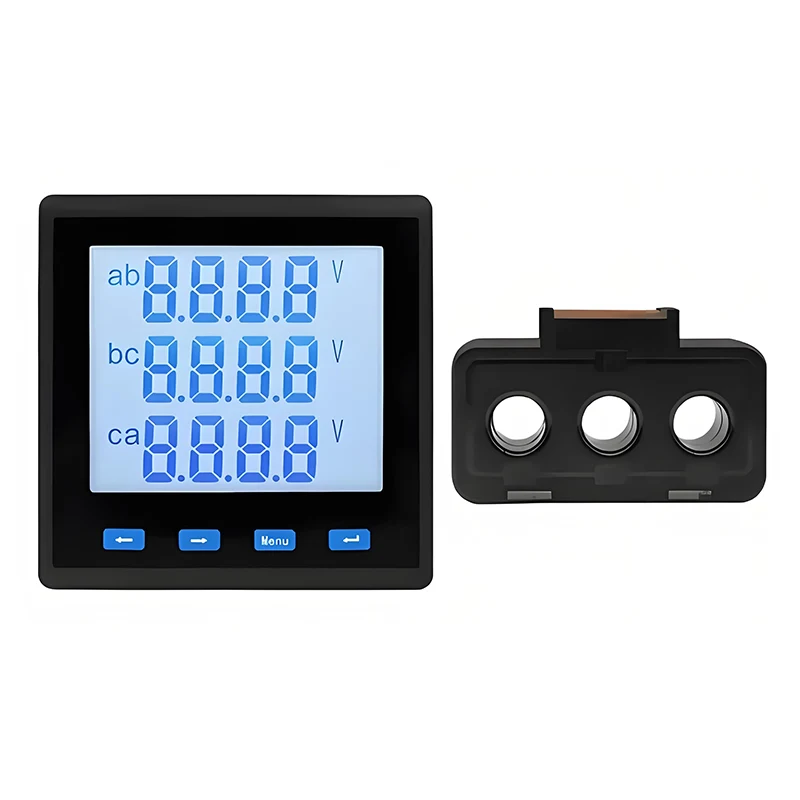
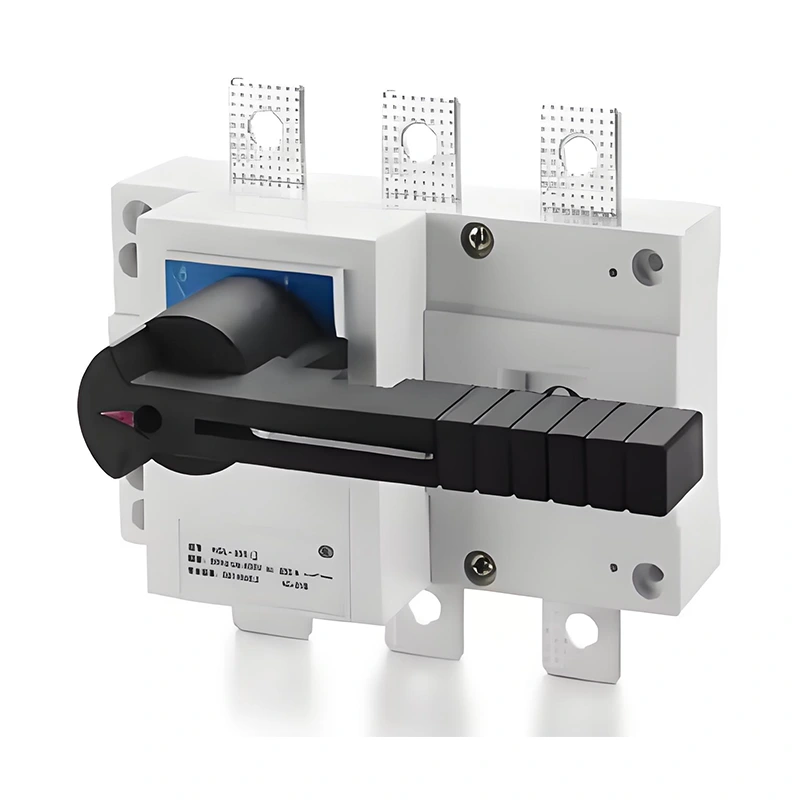
In the world of electrical engineering and maintenance, accurate measurement of voltage and current is crucial for ensuring safety, efficiency, and performance. A Voltage and Current Meter is an indispensable tool for professionals and enthusiasts alike. Zhejiang Sehnaider Electric Co.,Ltd. provides a wide range of high-quality meters designed to meet various industrial and laboratory needs.
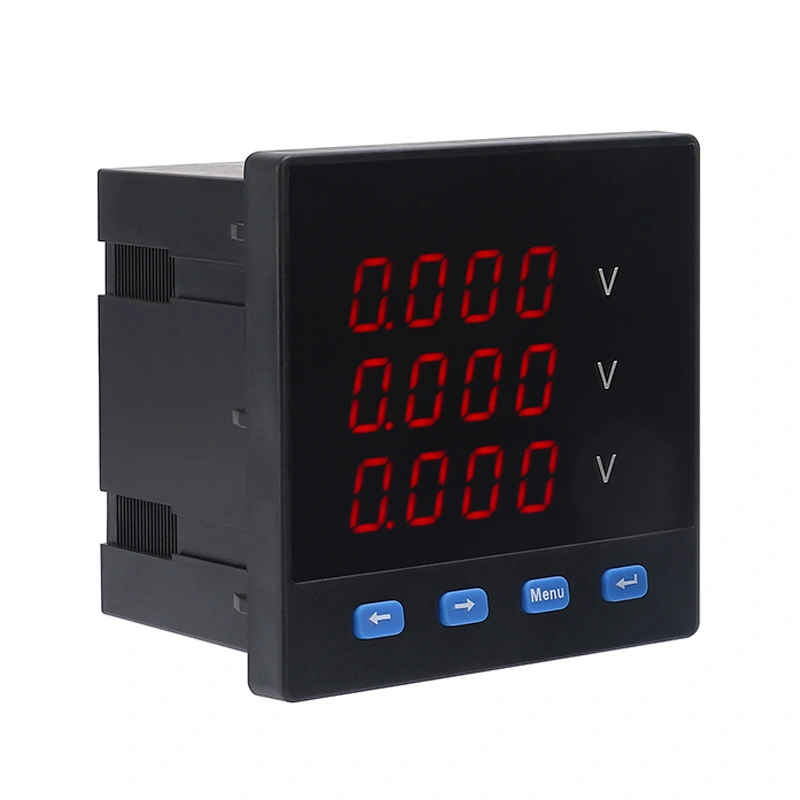
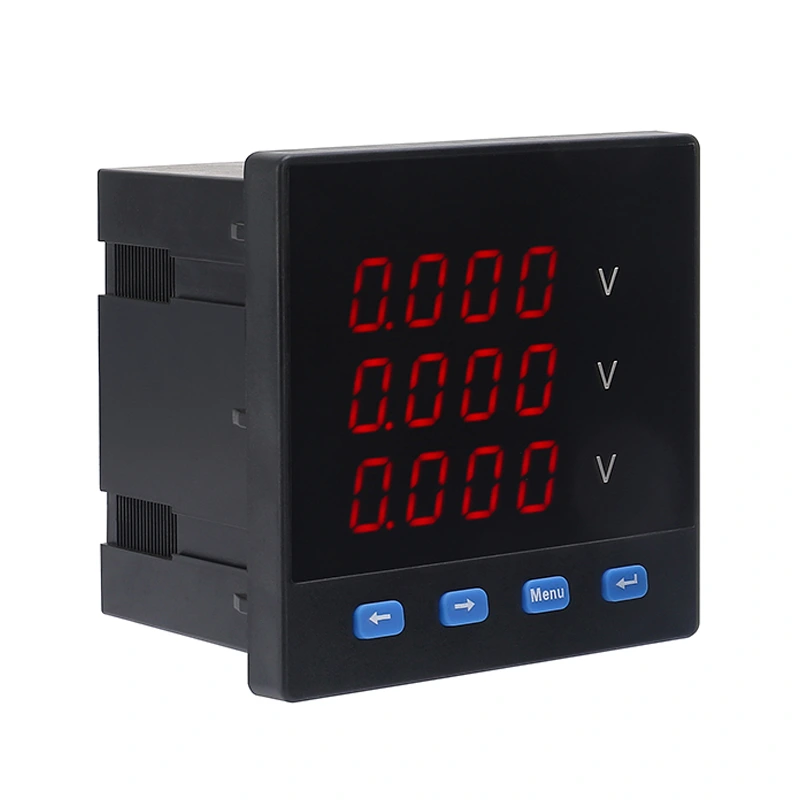
Voltage and Current Meter

Table of Contents

Introduction

A Voltage and Current Meter measures electrical potential difference (voltage) and flow of electric charge (current) in a circuit. These measurements are critical for diagnosing problems, preventing equipment failure, and optimizing energy consumption. High-quality meters from Zhejiang Sehnaider Electric Co.,Ltd. ensure accuracy, durability, and ease of use.

Types of Voltage and Current Meters

There are several types of meters used for voltage and current measurement. Each type offers unique advantages depending on the application:

  • Analog Meters: Traditional meters that use a moving needle and scale to display readings. Suitable for quick visual assessments.
  • Digital Meters: Provide precise readings on an LCD or LED display. Often include additional features like data logging, auto-ranging, and overload protection.
  • Clamp Meters: Measure current without disconnecting the circuit. Ideal for high-current applications and live wiring inspections.
  • Multimeters: Versatile tools capable of measuring voltage, current, resistance, and more. Essential for troubleshooting and laboratory work.
  • Smart Meters: Integrate with software and IoT systems for real-time monitoring, analysis, and reporting.

Benefits of Using a Voltage and Current Meter

Using a high-quality meter provides numerous benefits for electrical professionals and facility managers:

  • Accurate Measurements: Ensure devices and circuits operate within safe parameters.
  • Safety Assurance: Detect overvoltage or overcurrent conditions to prevent hazards.
  • Energy Efficiency: Monitor power consumption and optimize energy usage.
  • Preventive Maintenance: Identify potential issues before they cause equipment failure.
  • Compliance: Maintain records to meet regulatory and industry standards.

Common Applications

Voltage and Current Meters are widely used across industries:

  • Industrial manufacturing plants for monitoring machinery.
  • Electrical testing labs for research and development.
  • Residential and commercial buildings for energy management.
  • Renewable energy systems to track solar or wind power output.
  • Automotive and electronics troubleshooting for technicians.

How to Choose the Right Meter

Selecting the ideal meter requires consideration of several factors:

  • Measurement Range: Ensure the meter can handle the voltage and current levels of your application.
  • Accuracy: Higher accuracy is critical for laboratory and industrial use.
  • Display Type: Digital displays provide precision; analog displays offer quick visual feedback.
  • Safety Rating: Look for meters with appropriate CAT (Category) ratings for high-voltage environments.
  • Extra Features: Data logging, auto-ranging, connectivity, and overload protection enhance usability.

Installation and Maintenance Tips

Proper installation and regular maintenance extend the life of your meter and ensure safety:

  • Follow manufacturer instructions provided by Zhejiang Sehnaider Electric Co.,Ltd. for accurate installation.
  • Calibrate meters periodically to maintain measurement accuracy.
  • Inspect cables and connectors for damage before use.
  • Store meters in dry, temperature-controlled environments.
  • Replace batteries promptly for battery-operated devices.

Comparison Table of Meter Types

Type Advantages Limitations Typical Use
Analog Meter Quick visual readings, simple design Lower precision, prone to parallax errors Field inspections, basic measurements
Digital Meter High precision, easy to read, multifunctional Requires battery, more expensive Industrial labs, accurate troubleshooting
Clamp Meter Non-intrusive current measurement Limited voltage measurement capability Live circuits, high-current lines
Multimeter Versatile, measures multiple parameters May be complex for beginners Laboratories, electronics repair
Smart Meter Remote monitoring, data logging Higher cost, requires network connectivity IoT-enabled energy management

Frequently Asked Questions

Q1: What is the main purpose of a Voltage and Current Meter?
A: The primary purpose is to measure electrical voltage and current accurately, ensuring safe and efficient operation of circuits and equipment.
Q2: How often should a meter be calibrated?
A: Calibration frequency depends on usage and accuracy requirements, typically every 6–12 months for industrial meters.
Q3: Can I measure AC and DC with the same meter?
A: Many digital multimeters and smart meters can measure both AC and DC voltage and current, but always check specifications before use.
Q4: Why choose Zhejiang Sehnaider Electric Co.,Ltd. meters?
A: Zhejiang Sehnaider Electric Co.,Ltd. provides highly accurate, durable, and user-friendly meters suitable for industrial, laboratory, and field applications worldwide.
Q5: Are clamp meters safe for live circuits?

A: Yes, clamp meters allow measurement without breaking the circuit, reducing the risk of electric shock when used correctly.

Discover the superior quality and reliability of Zhejiang Sehnaider Electric Co.,Ltd. Voltage and Current Meters today. For inquiries or to request a quote, contact us now and ensure precise electrical measurement for your applications!
Related News
Leave me a message
X
We use cookies to offer you a better browsing experience, analyze site traffic and personalize content. By using this site, you agree to our use of cookies. Privacy Policy
Reject Accept